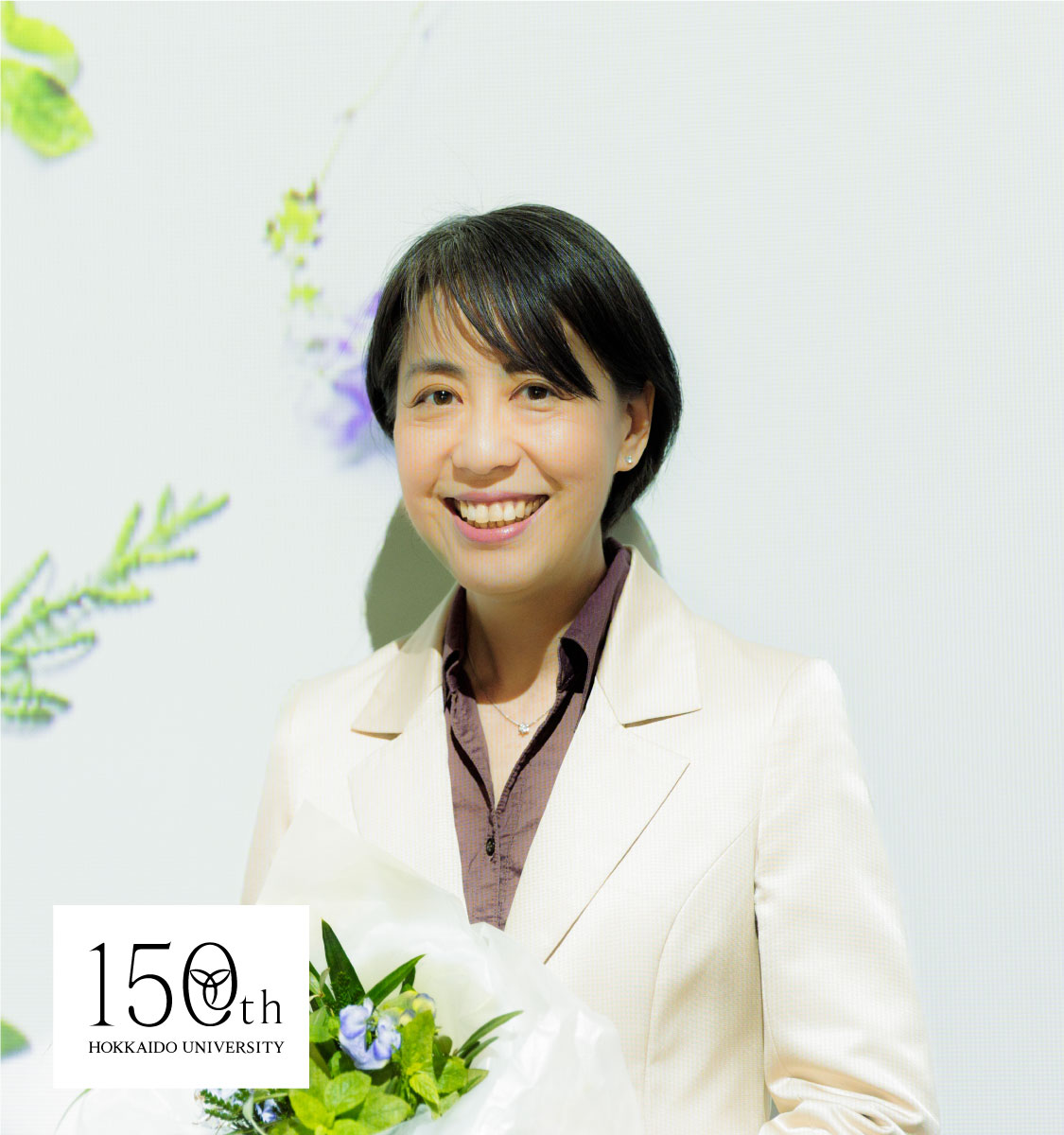
06
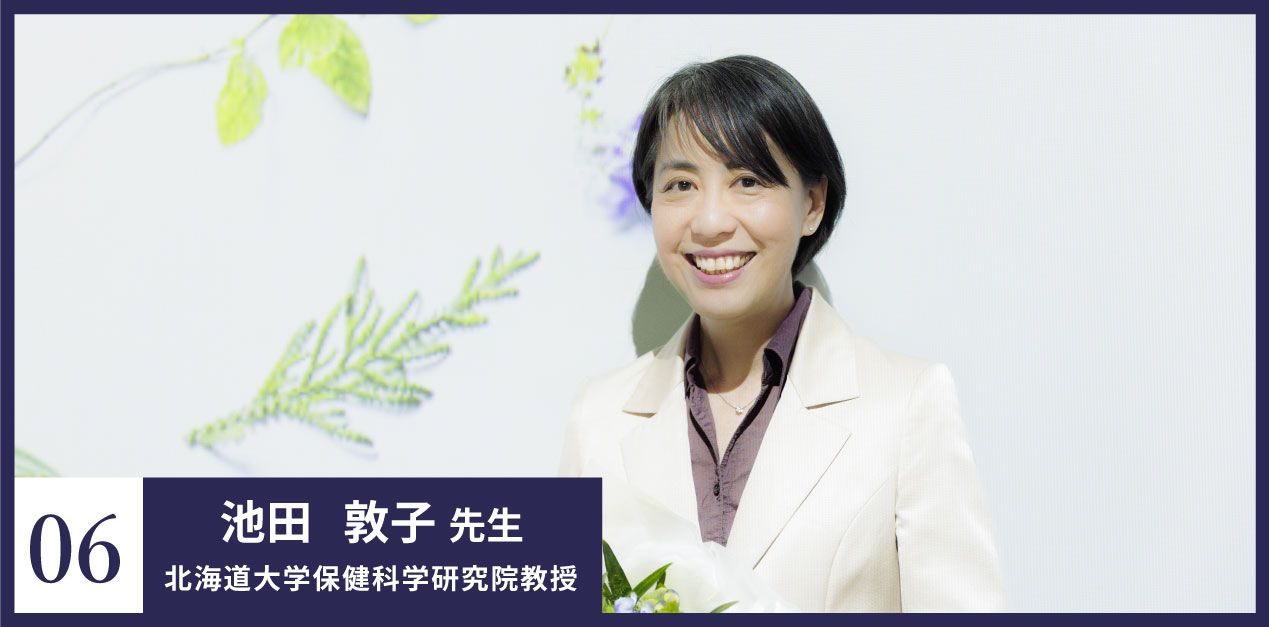
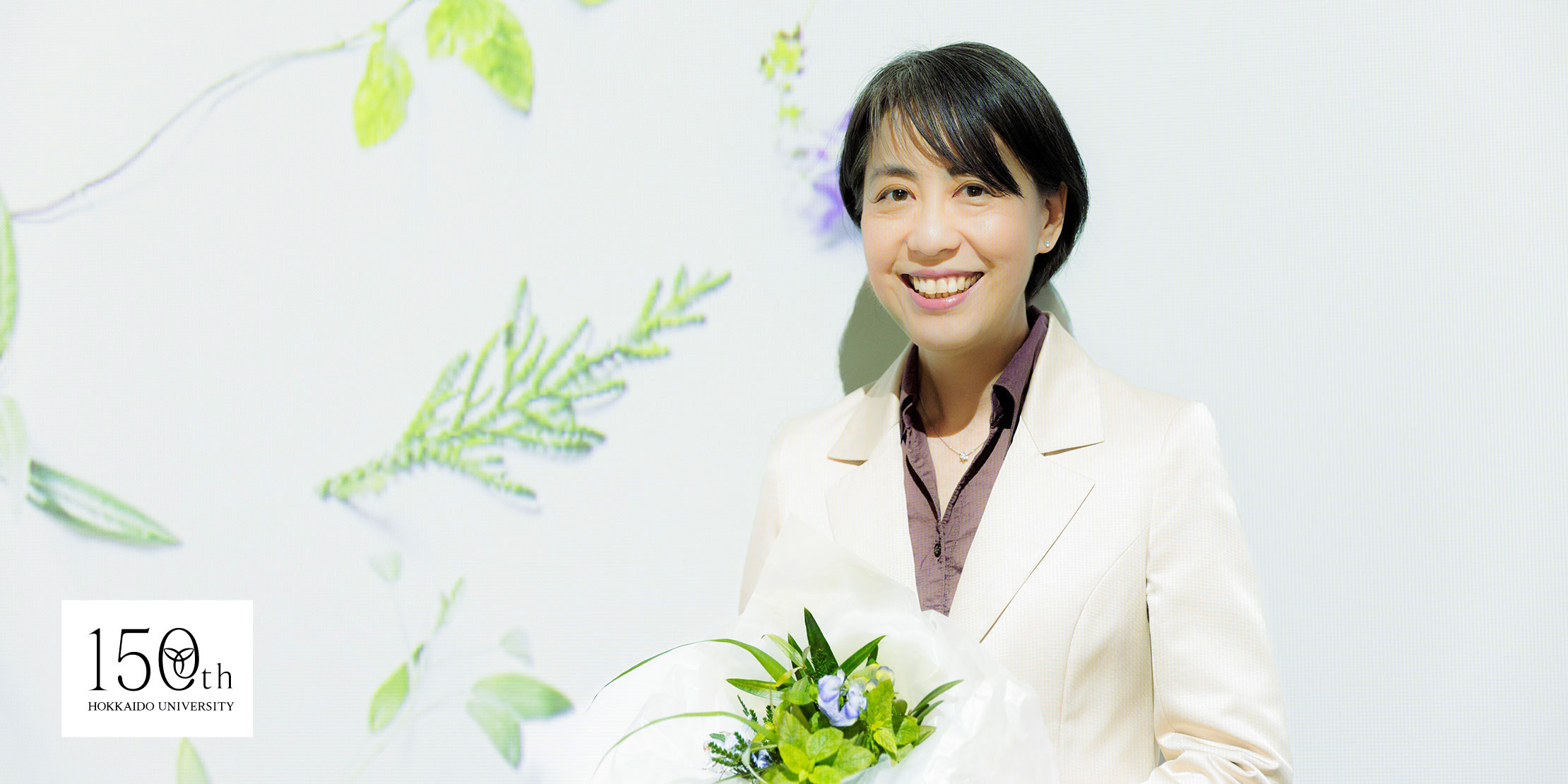
- Atsuko Ikeda
- Professor, Faculty of Health Sciences, Hokkaido University
Life is often more about things not going as planned.
But if you ride the new wave,
An unexpected world unfolds.
LILAS
Leaders for people with innovation,
Liberty and Ambitions.
A series of interviews with female researchers introducing leading female leaders who are at the forefront of their fields.LILASLilac means lilac in French, and is also known as the flower of Sapporo. Along with plant arrangements inspired by the interview content, we will be sharing this original interview series, conveying messages about the strength, flexibility, and diversity that plants possess.
- 06
-
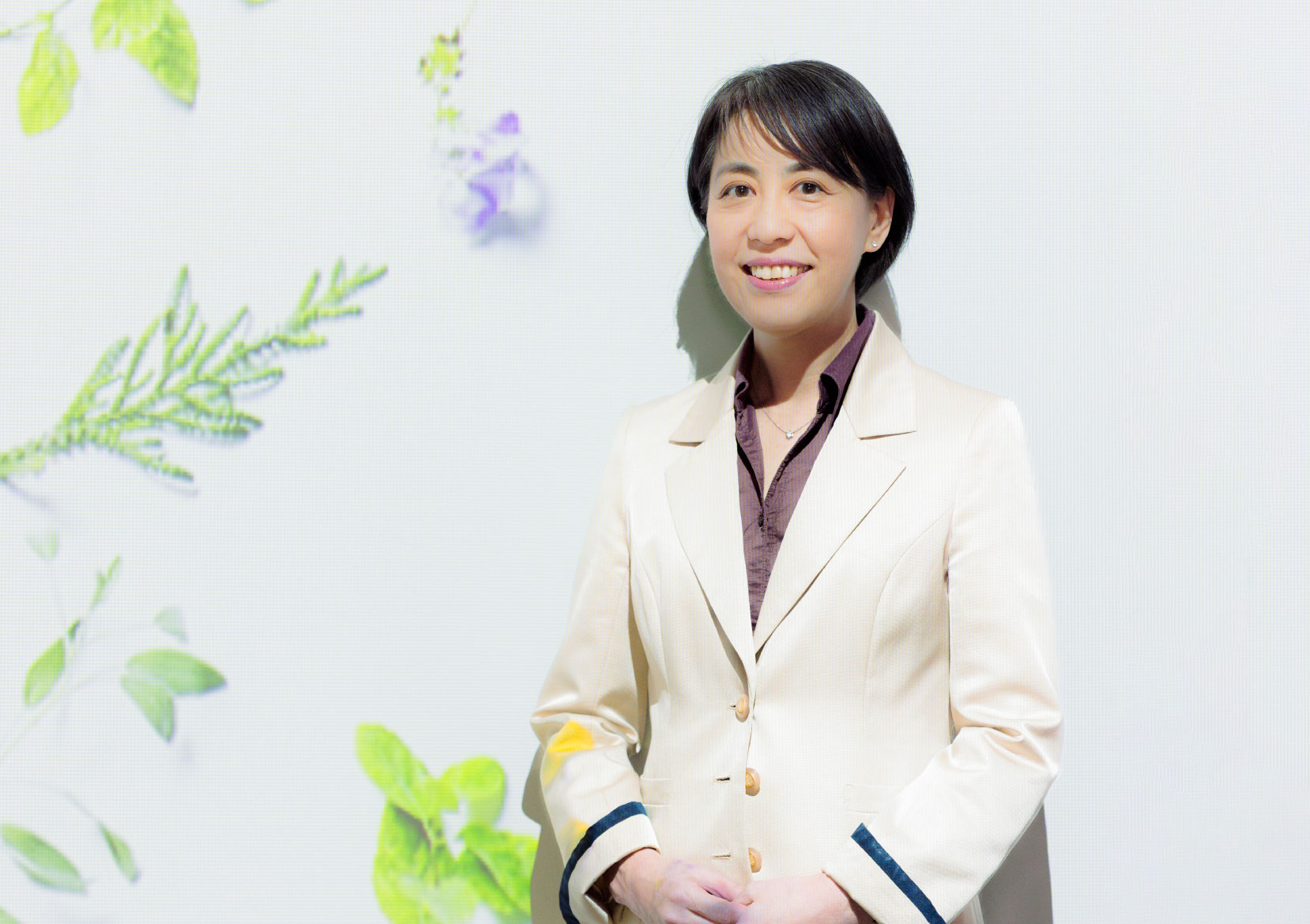
Our sixth interviewee is Atsuko Ikeda from the Graduate School of Health Sciences. After working for a pharmaceutical company and living abroad, Ms. Ikeda entered graduate school at Hokkaido University and has pursued a career in environmental epidemiology. Since moving to the Graduate School of Health Sciences and establishing her own research lab, she has been dedicated to training students and managing the lab. We asked her about her thoughts on contributing to her research field, society, and the university, all stemming from her desire to "contribute to people's health."
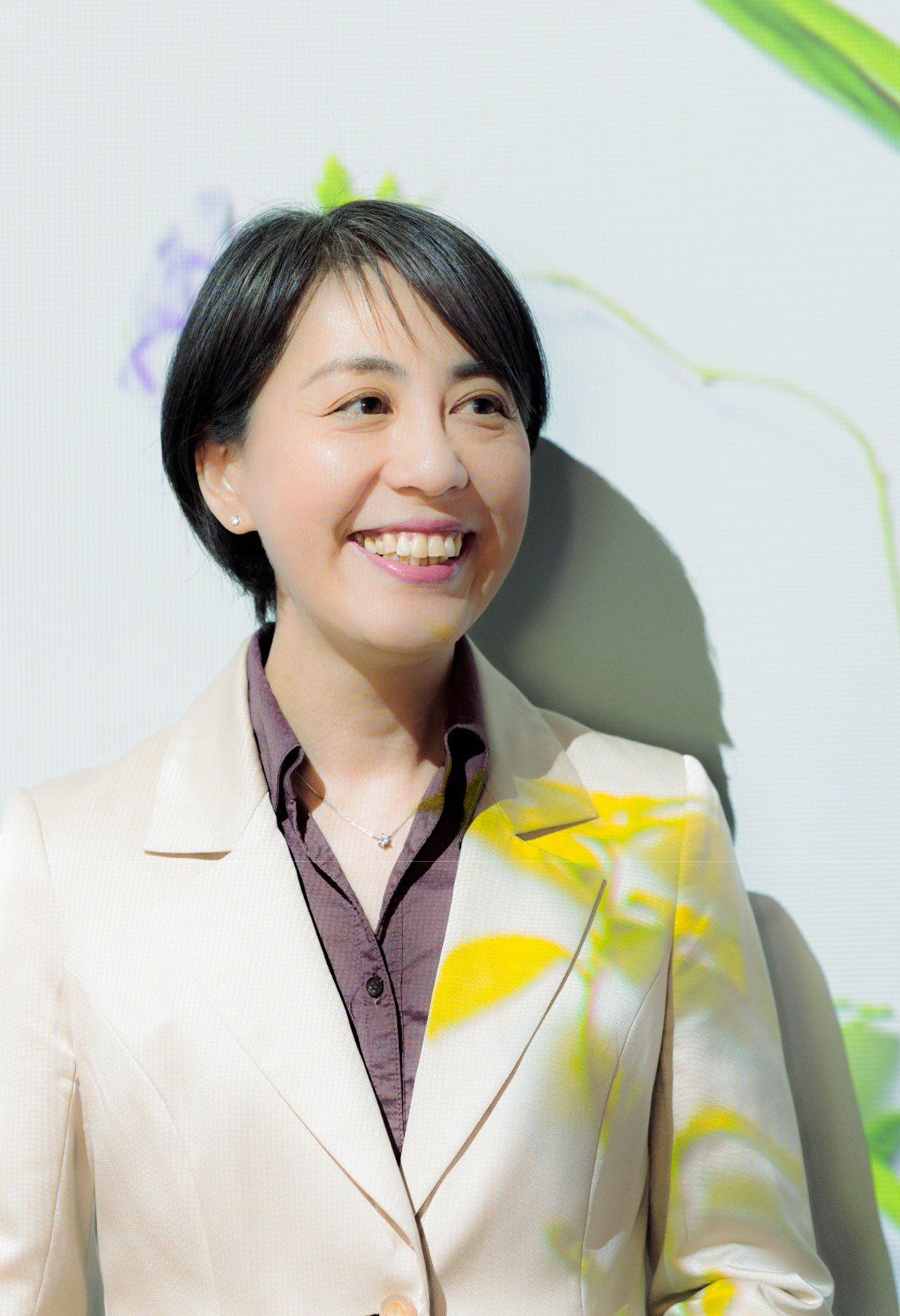
My encounter with epidemiology, the field of study that focuses on human populations.
How did you start your career as a researcher?
I studied bioengineering at university and worked for a pharmaceutical company for nearly 10 years after graduation. Due to family circumstances, I had to move to Singapore and quit my job, where I began studying aromatherapy as a hobby. After obtaining my instructor certification and starting to teach others, I began to wonder, "Books say that 'this essential oil is effective for XX,' but has that been confirmed in humans?"
After returning to Japan, I mentioned to my former boss that I wondered how I could confirm whether something would be effective in humans. He advised me, "Ikeda, then you should study epidemiology," and that's how I first learned about the field of epidemiology. I learned that it was a field of study that involved researching human populations, and I felt it was a perfect fit for my interests, so I enrolled in graduate school at Hokkaido University and began my journey in epidemiology.
What kind of research are you currently doing?
In the birth cohort studies I primarily conduct (a research method that explores the relationship between disease and its contributing factors over a long period), we investigate the environment from the fetal stage to early childhood. After the child's physical development and health status, such as diseases, become clear, we identify the environmental factors that contribute to these conditions. For example, survey results might reveal statistical trends such as "a higher incidence of asthma symptoms in households where windows condense." By having many people participate in the survey, we can identify these trends. In addition, I am also conducting research on the relationship between indoor environments and the health of residents, as well as health surveys of people engaged in the processing of electronic and electrical waste (e-waste) in Vietnam.
Furthermore, we aim to conduct research that goes beyond questionnaire results, using objective indicators by measuring biological samples and explaining what is happening inside the body. Therefore, we are trying to clarify the effects of chemical substances and the living environment on human health through the analysis of biological samples. In addition to biomonitoring to investigate how much of a chemical substance is actually taken into the body, and the analysis of biomarkers using blood and urine, we are recently also attempting omics research, which comprehensively analyzes biomolecules as a whole. Beyond the causes and consequences of disease, we hope to shed some light on the internal mechanisms that remain a black box in epidemiological research.
How to create time for research
When did you establish your research lab?
I established my own research lab in 2021. Before that, I belonged to the Center for Environmental Health Sciences Research and Education at Hokkaido University, where I worked on large-scale projects with several other faculty members. I had been supervising students concurrently at that time, but I was always just one member of the team. In April 2021, I moved to the Graduate School of Health Sciences, and for the first time, I took on the responsibility of leading my own research lab and supervising students from undergraduate to graduate level.
What are some of the difficulties you've encountered in actually running the business?
The biggest challenge is establishing the right system. Undergraduate students are responsible for the nursing program, but because nursing students are required to complete clinical rotations, the time they can dedicate to research is inevitably limited. With job hunting and graduate school entrance exams also to consider, realistically, it's difficult to find time for graduation research in the first semester. The main concern is how to create time for research.
Epidemiological research combines data collection through surveys and laboratory measurements with data analysis. While seminars for graduate students are conducted in English due to the presence of international students, undergraduate students also need opportunities in Japanese, and until now, we've operated with both. Going forward, we're working to create an environment where graduate and undergraduate students can learn together in the same space. Currently, there are no undergraduate desks in the lab, making it difficult to create a natural system for interaction. However, we hope that by interacting with senior researchers, undergraduates will see what it means to become a researcher as a role model.
Are there any differences compared to your own student days?
When I was a student, my research lab had a system where senior students looked after junior students. As an undergraduate, I was seconded from Tokyo University of Science to a research lab at the University of Tokyo, where senior students in master's and doctoral programs directly guided undergraduates, and I felt a sense of security from being able to interact with seniors on a daily basis. In my current research lab, the challenge is how to create similar vertical connections. Also, large-scale epidemiological research requires teams to collaboratively generate data. I believe that being involved in the birth cohort project being advanced by the Center for Environmental Health Science Research and Education is a great advantage because it allows me to experience various aspects of epidemiological research, such as data acquisition through surveys, analysis of biological samples, and clarifying associations through statistical analysis. Above all, conducting research collaboratively is very enjoyable.
Fourth-year students are incredibly busy with job hunting, graduate school entrance exams, internships, and research. I provide support to the best of my ability, such as interview practice and resume editing. For students who are unsure about pursuing graduate studies, I listen carefully to them and think through the options together. I believe it's important to support students not only in their research but also in helping them look towards their future. Above all, however, I want them to feel that "research is fun."
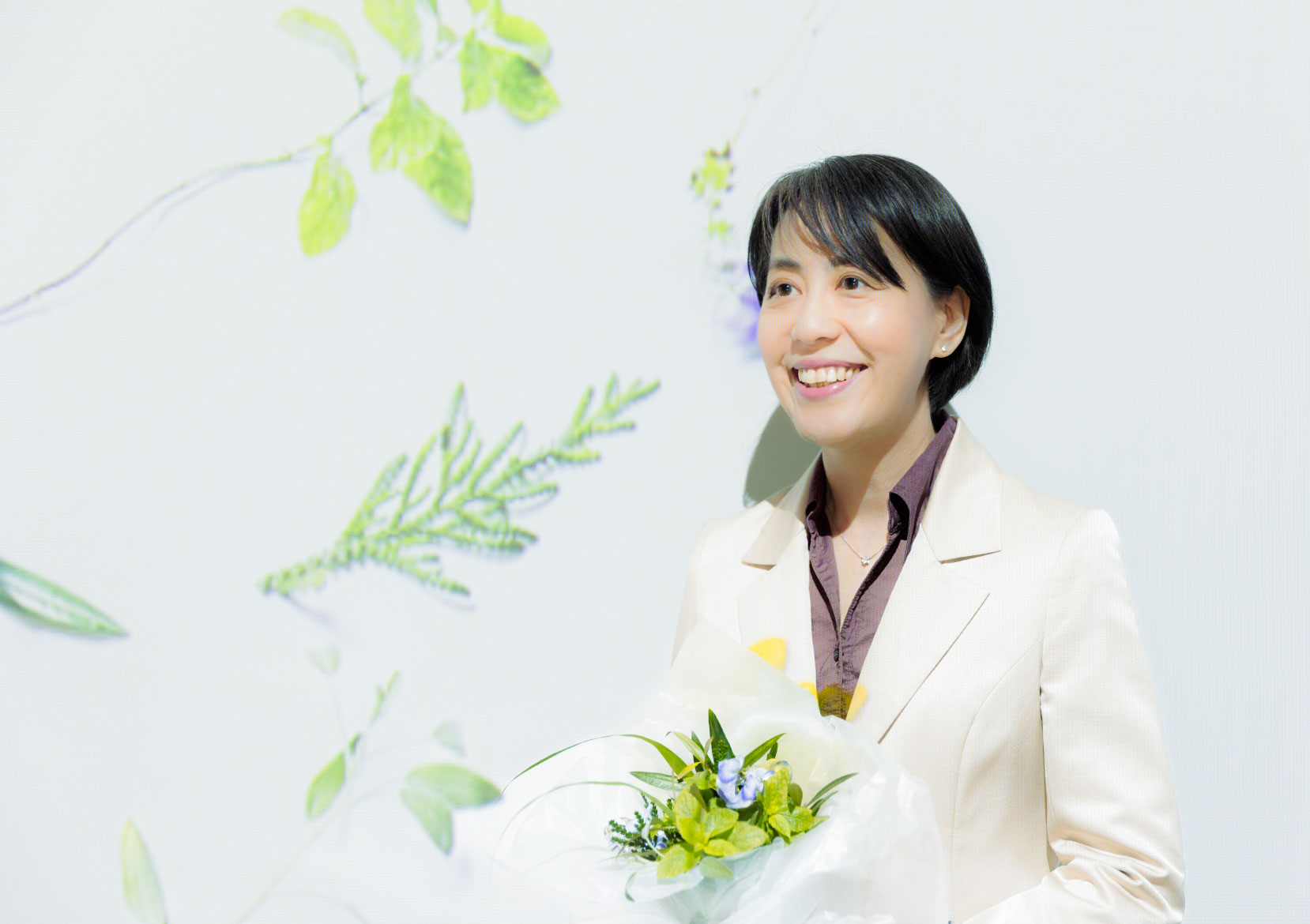
It's not about gender or nationality, but about how to develop the strengths that each person possesses.
What are your thoughts on diversity and gender?
While it may be due to the nature of my field, I am fortunate to have never experienced any disadvantages because of my gender. My graduate school advisor was a woman, and the Center for Environmental Health Sciences Research and Education and the Graduate School of Health Sciences also have a relatively large number of female faculty members. Even during my time at the company, I was in an environment with many female researchers. We have international students in our lab, but we focus on how to develop their strengths rather than their gender or nationality. I want to create an environment where diversity can be utilized not as a "difference" but as a "strength."
Learning firsthand how to conduct research as a principal investigator (PI) has been a great asset.
Did you have any role models who helped you continue your research?
My degree advisor is my role model. I learned so much from seeing firsthand how to conduct research as a principal investigator (PI). First and foremost, in addition to creating a proper research plan, "accurate measurement" is extremely important in environmental epidemiology research. He thoroughly guided me on how to assess exposure and what to measure and how. Collecting biological samples such as blood and urine during the survey allows for various measurements to be performed later if research funding is secured. Learning the importance of this is a great asset.
Furthermore, during my time at the pharmaceutical company, I was fortunate to have respected seniors and colleagues. Their meticulous approach to work and their ability to effectively involve those around them were very impressive, and what I learned back then is still very useful in advancing research projects today. My superiors were also people who could move large projects forward while empowering their staff, and seeing that made me strongly think, "I want to be like that too."
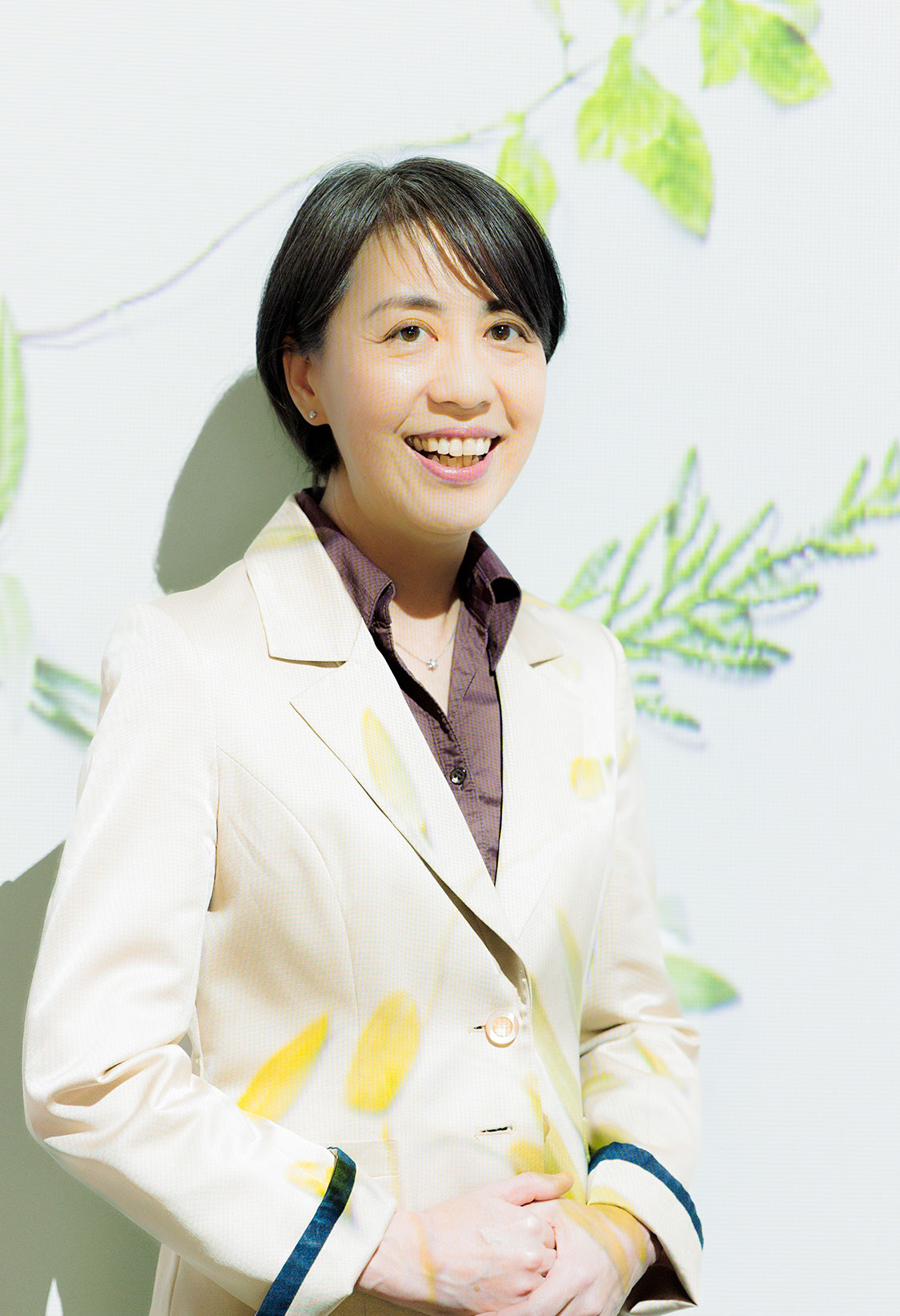
To contribute to a sustainable society where people can live with peace of mind.
Please tell me about your research field and your contributions to society.
The importance of considering a sustainable global environment is increasing. My research field can contribute to society not just by pointing out risks, but by providing evidence for safe living. I believe that by not only finding statistical correlations but also by unraveling the mechanisms at work within the body through the analysis of biological samples, and by scientifically supporting the connection between the environment and health, I can contribute to the field.
It's easy to point out the link between many things produced in a mass-production, mass-consumption society and health and say, "This is dangerous," but in reality, many things are unavoidable. For example, we are currently working on assessing the health risks of chemicals contained in plastics, but there must be ways to reduce exposure to these chemicals by adjusting how we use them. I think it's important to establish standards such as, "This much is okay." It's also important not to use things that aren't necessary. I hope that by providing scientific evidence to contribute to the creation of regulations and standards, and by delivering knowledge that is relevant to people's lives, we can contribute to a sustainable society where people can live with peace of mind.
To achieve this, it is important not only to make academic contributions through publications, but also to demonstrate results that can be useful in creating social rules such as policies and regulations.
What are your thoughts on contributing to the university?
Looking at Hokkaido University as a whole, the number of female researchers is still small. While major institutional reforms and promoting women are certainly important, I believe that what I can do first is to nurture the next generation of students.
I believe that creating an environment where students who aspire to graduate school, obtain a doctorate, or become researchers can realize their dreams, rather than thinking "it's impossible because of XX," will ultimately contribute to raising the overall strength of the university. I consider the most important contribution I can make to be the development of the next generation through the research laboratory.
While establishing a solid foundation as your own strength, broaden your awareness to include those around you.
Please give a message to those who are aiming for higher positions.
I hope you will make the most of your strengths. It's very important to be able to say "I can do this" in any situation, so I hope you will develop those skills and move on to the next step.
For example, environmental epidemiology and public health are very broad fields, but if you can highlight your abilities and technical skills within those fields, it will likely lead to opportunities for collaborative research. I believe that by establishing a solid foundation as your strengths while broadening your awareness to those around you, you will connect with new things and your research will develop.
LILAS
Library
I don't usually read how-to books, but when I picked this one up, I felt like I was able to affirm the path I've taken.
Many books recommend setting goals and working towards them, but this book is a little different. It teaches the value of accepting the circumstances you're given and going with the flow. Life often doesn't go as planned. However, even if things don't go according to plan, if you accept it flexibly and ride a new wave, a world you never imagined can open up. That's why I hope that young people who will shape the future will cherish such a flexible attitude and new ideas. I also hope they won't forget that there is much hope for the future.

LILAS
Plants
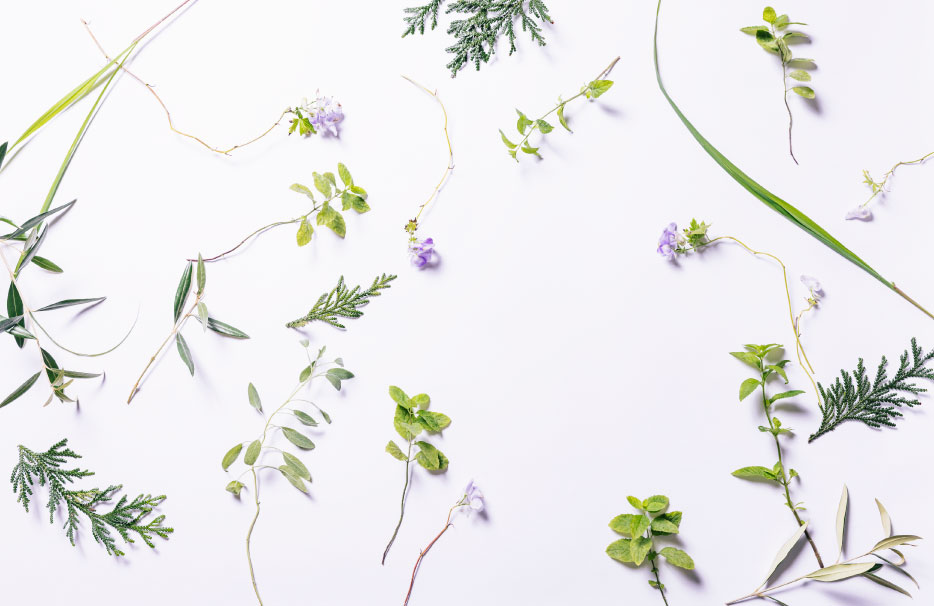
Plants that are widely used in our daily lives. Plants that have been repeatedly tested throughout a long history.
-
Sage
Scientific name: Salvia officinalis Family and genus: Lamiaceae, Salvia genus
- It is also known as medicinal salvia. It is used both for ornamental purposes and in cooking.
-
Clematis
Scientific name: Cymbopogon citratus Family and genus: Poaceae (grass family), Cymbopogon genus
- It has a lemon-like scent and is used in a wide range of applications, including cooking and as an essential oil.
-
Aconite
Scientific name: Thujopsis dolabrata Family and genus: Aconite tribe
- It is poisonous from root to flower. The poison is used for hunting and medicinal purposes. There are also many diverse species cultivated as ornamental plants.
-
Japanese cypress (Thuja orientalis)
Scientific name: Thujopsis dolabrata Family and genus: Cupressaceae, Thujopsis
- It is widely used in building materials, pharmaceuticals, cosmetics, and other applications.
LILASThis is part of the Hokkaido University 150th Anniversary Project. Hokkaido University will celebrate its 150th anniversary in 2026.